
Few places in the world capture the magic of wildlife quite like the San Diego Zoo. Tucked inside Balboa Park in sunny Southern California, this world-renowned zoo has become more than just a local attraction — it’s a bucket-list destination for families, animal lovers, and travelers from every corner of the globe. Whether it’s the call of exotic birds echoing through lush greenery or the sight of a giant panda that once drew millions of visitors, the San Diego Zoo has a way of making childhood wonder come alive for all ages.
But the zoo isn’t only about strolling past cages or snapping photos of rare animals. Over the last century, it has grown into a living classroom, a leader in global conservation efforts, and a place where visitors can get closer than ever to some of the most fascinating creatures on Earth. From the majestic elephants and towering giraffes to the mischievous meerkats and playful koalas, every corner of the zoo offers a chance to connect with wildlife in unforgettable ways.
For first-time visitors, questions often come up: How much are tickets? Do I need reservations? What’s the best time of year to visit? Which animals are a must-see? In this guide, we’ll cover all of those details and more, blending practical travel tips with a closer look at the zoo’s rich history, its family-friendly experiences, and its inspiring work in conservation. Think of it as your complete San Diego Zoo travel guide — informative, approachable, and full of insights to make your trip as memorable as possible.
So whether you’re planning a family day out, traveling from across the country, or simply curious about one of the most famous zoos in the world, you’re in the right place. Let’s dive into the story, the animals, and the experiences that make the San Diego Zoo truly one of a kind.
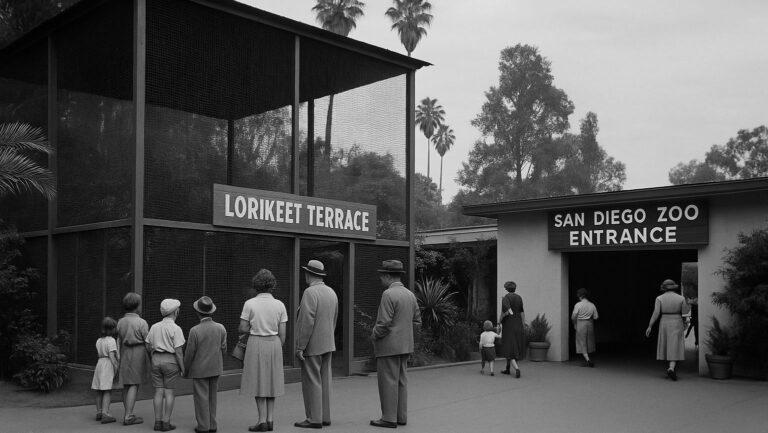
The story of the San Diego Zoo begins more than a century ago, sparked by a surprising twist of history. In 1915, San Diego hosted the Panama-California Exposition, a world’s fair that introduced visitors to new ideas, cultures, and exhibits from around the globe. Among the attractions were a collection of exotic animals that had never been seen in Southern California before. When the exposition ended, many of the animals were left behind — and rather than letting them disappear into private collections, local physician Dr. Harry Wegeforth saw an opportunity.
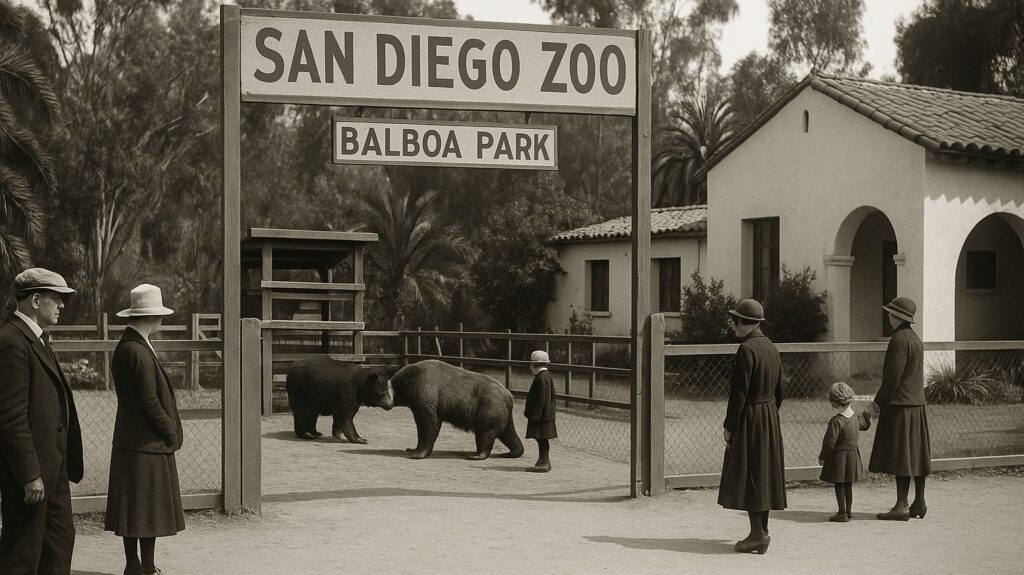
Wegeforth envisioned a permanent zoo, not just for entertainment, but as a place of education and conservation. He gathered support from the community, and in 1916, the San Diego Zoo officially opened its gates in Balboa Park. With little funding and limited space, the early days were modest, but passion and vision quickly transformed the project.
By the 1920s and 1930s, the zoo was already making waves with its innovative approach. Unlike many other zoos of the era, which relied on cramped cages, San Diego pioneered the use of open-air, cageless exhibits, giving animals more natural environments and visitors a better view. This philosophy set a new standard worldwide and remains a defining feature of the zoo today.
Over the decades, the zoo expanded its grounds, collections, and reputation. Iconic exhibits like the Giant Panda Research Station (opened in the 1990s) drew millions of visitors, while projects such as the California Condor Recovery Program cemented the zoo’s role in global conservation. Today, the zoo spans 100 acres and is home to more than 12,000 animals representing over 650 species.
The San Diego Zoo has grown from a local curiosity into a global leader, attracting nearly four million visitors each year. Its history is not only about entertaining guests but also about inspiring generations to care for wildlife. Every corner of the zoo carries echoes of its pioneering spirit — a reminder that one man’s vision in 1916 helped shape one of the most beloved zoological institutions in the world.
A visit to the San Diego Zoo is never just a simple walk through animal exhibits. Spread across 100 acres of lush, canyon-like terrain in Balboa Park, the zoo is designed to feel like a journey around the world. From the savannas of Africa to the bamboo forests of Asia, each area is immersive, educational, and full of surprises.
Here are some of the highlights you won’t want to miss: From polar bears to koalas, gorillas to giraffes, the San Diego Zoo has something for every visitor. It’s a place where every path leads to discovery and every exhibit tells a story.
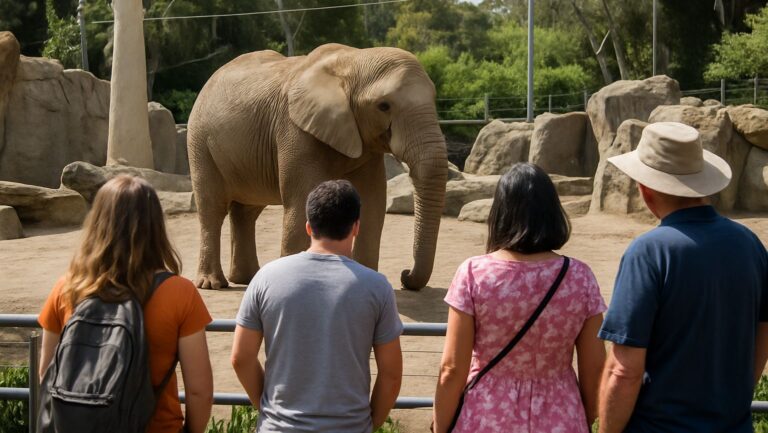
One of the zoo’s signature exhibits, Elephant Odyssey brings visitors face-to-face with majestic elephants in a sprawling, naturalistic habitat. Along the way, you’ll also encounter lions, jaguars, and California’s own pronghorns, making this exhibit both a tribute to prehistoric wildlife and a modern conservation success story.
If you’re a fan of primates, the Lost Forest is a must. Here, visitors can watch orangutans swing effortlessly between trees, hear the calls of gibbons echoing through the canopy, and marvel at the playful antics of monkeys. The lush greenery and shaded trails make this area a refreshing retreat on a warm San Diego day.
Few zoos outside of Australia can boast a colony of koalas, but the San Diego Zoo has made them a beloved staple. The Koalafornia exhibit allows guests to see these sleepy marsupials up close, alongside wallabies, wombats, and kookaburras. It’s a little slice of Australia in the heart of California.
Step into the Arctic without leaving Southern California. The Polar Bear Plunge offers underwater viewing areas where you can watch polar bears swim and play. Seals and arctic foxes share the space, creating a chilly yet magical corner of the zoo that’s especially popular with families.
For a bird’s-eye view of the zoo, hop on the Skyfari Aerial Tram. This ride glides above treetops, giving visitors sweeping views of the park, Balboa Park, and even parts of downtown San Diego. It’s both practical (helping you get across the zoo faster) and breathtaking.
The zoo is not just about animals — it’s also home to over 700,000 plants from around the globe. Orchids, cycads, and rare bamboo varieties create an atmosphere that feels as much like a botanical garden as it does a zoo. Nature lovers often find this side of the zoo just as enchanting as the animals themselves.

For many visitors, the first questions about the San Diego Zoo are practical: How much does it cost, when is it open, and when should I go? Getting these details right can make the difference between a rushed day and a relaxed, unforgettable visit.
General admission tickets typically include access to all exhibits, shows, and the Skyfari Aerial Tram. Prices may vary depending on the season and special promotions, but adults can usually expect to pay around $60–$70, while children’s tickets fall in the $50–$60 range. Discounts are often available for seniors, students, and military families.
👉 It’s best to purchase tickets in advance online through the official San Diego Zoo website, especially during busy seasons like summer and holidays. While walk-up tickets are available, online reservations help you skip lines and secure your preferred date.
The zoo is generally open every day of the year, including holidays. Standard hours are 9:00 AM to 5:00 PM, though summer months often feature extended evening hours. Checking the official schedule before you go ensures you won’t miss special events or seasonal programs.
If your goal is to avoid crowds, weekdays (especially Tuesday through Thursday) are far less busy than weekends. Mornings are ideal for both cooler weather and more active animals — many species rest during the midday heat. Spring and fall bring the best combination of pleasant temperatures and moderate crowds, though San Diego’s mild climate makes the zoo enjoyable year-round.
Pro tip: Plan for at least four to five hours to experience the highlights, and closer to a full day if you want to see everything at a relaxed pace.
Visiting the San Diego Zoo isn’t just about showing up — it’s about making smart choices so you can maximize your time and energy. From booking tickets online to arriving early for the animals’ most active hours, a little preparation goes a long way toward creating a smooth and memorable adventure.
Few destinations blend education and entertainment as seamlessly as the San Diego Zoo. For families, it’s more than just a place to look at animals — it’s an immersive learning experience where kids can interact, play, and discover the wonders of wildlife in a safe and welcoming environment.
One of the highlights for younger visitors is the Children’s Zoo, designed with interactive exhibits and hands-on activities. Here, kids can meet goats, sheep, and other gentle animals up close, making it a favorite spot for families with toddlers and preschoolers. The zoo also features playgrounds and shaded rest areas where parents can take a breather while little ones explore.
Education is woven into nearly every corner of the zoo. Families can attend daily wildlife presentations, watch zookeeper talks, or take part in interactive sessions where kids learn about animal care and conservation in fun, age-appropriate ways. Seasonal events, like Nighttime Zoo in the summer, add even more excitement to the experience.
The San Diego Zoo is designed with family comfort in mind. Stroller rentals are available at the entrance, along with wheelchair rentals for guests who need them. Family restrooms and changing stations are conveniently located throughout the grounds. Dining options include kid-friendly menus and healthy choices, so even picky eaters can find something satisfying.
Perhaps the biggest reason families return again and again is that the zoo sparks curiosity in children while creating lasting memories. Watching a toddler’s eyes light up at the sight of a giraffe, or seeing older kids connect classroom science to real animals, is part of the magic that makes the San Diego Zoo an unforgettable family outing.
From babies in strollers to grandparents joining in on the fun, the zoo offers something for every age group. It’s this thoughtful balance of adventure and accessibility that has made the San Diego Zoo one of the most family-friendly attractions in the world.
One of the biggest draws of the San Diego Zoo is its incredible variety of animals. With more than 12,000 animals representing over 650 species, it’s impossible to see everything in one day — but there are a few stars that no visitor should miss.
For years, the zoo was famous for its giant pandas, which were part of a long-term conservation program with China. While the pandas have since returned home, their legacy lives on, and many visitors still come asking about them. Today, the zoo continues to honor that history with exhibits that highlight its global conservation efforts.
San Diego is one of the few zoos outside of Australia with a thriving colony of koalas. Found in the Koalafornia exhibit, these marsupials spend much of their day sleeping in eucalyptus trees, but spotting them up close is a truly special experience.
The Elephant Odyssey exhibit is home to African and Asian elephants, as well as predators like lions and jaguars. Watching an elephant roam across its expansive habitat is a powerful reminder of why the zoo prioritizes cageless, naturalistic enclosures.
The Polar Bear Plunge remains one of the most popular areas for families. From underwater viewing windows, guests can watch polar bears swim gracefully — a rare sight that’s unforgettable for children and adults alike.
Once nearly extinct, the California condor is a symbol of the zoo’s conservation success. Seeing these massive birds up close is a powerful moment, especially knowing that the San Diego Zoo played a critical role in saving them from the brink of extinction.
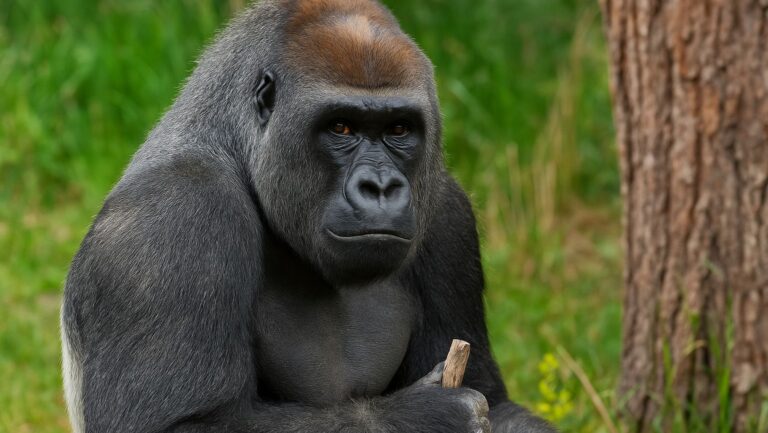
In the Lost Forest, gorillas, orangutans, and monkeys captivate visitors with their intelligence and social behaviors. Few experiences compare to making eye contact with a gorilla or watching orangutans swing effortlessly from branch to branch.
From majestic elephants to rare condors, every exhibit has its own stars. But together, they create a living mosaic of the natural world — one that inspires awe, respect, and a deeper connection to wildlife.
A trip to the San Diego Zoo isn’t just about the animals — it’s also about making sure the day goes smoothly. From finding the right place to eat to knowing where to park, the zoo is well-prepared to handle the needs of millions of visitors each year.
With more than a dozen dining spots scattered throughout the grounds, the zoo makes it easy to refuel without leaving the park. Families can grab quick bites like pizza, sandwiches, and burgers, while healthier options — including salads, wraps, and vegetarian dishes — are also available. Popular locations include Albert’s Restaurant, which offers sit-down meals with table service, and Sabertooth Grill, known for its casual, family-friendly fare.
Can you bring your own food? The answer is yes. Guests are welcome to pack light snacks, sandwiches, and water bottles, which is especially helpful for families with kids or visitors on a budget. Just remember that glass containers and alcohol are not permitted.
The San Diego Zoo offers free parking in a large lot adjacent to Balboa Park, which is a huge perk compared to many other major attractions. For those relying on public transportation, city buses stop nearby, and rideshare services like Uber and Lyft can drop off passengers right at the entrance. Many visitors, however, prefer booking a San Diego black car service for a more comfortable and stress-free arrival. Inside the zoo, the Kangaroo Bus makes four stops across the park, and the Skyfari Aerial Tram provides both transport and scenic views.
The zoo is designed to be as accessible as possible. Wheelchair and electric scooter rentals are available at the entrance, and many of the pathways are wide enough to accommodate mobility aids. Elevators and ramps help guests navigate the zoo’s hilly terrain. For families, stroller rentals are also available, and family restrooms with changing tables are conveniently located throughout the grounds.
Visiting the San Diego Zoo is meant to be a stress-free adventure, and with thoughtful amenities like free parking, kid-friendly dining, and accessibility services, the park ensures that everyone — from toddlers to grandparents — can enjoy the experience comfortably.
When planning a visit, one of the most common questions travelers ask is: Should I go to the San Diego Zoo or the San Diego Zoo Safari Park? While both are operated by the San Diego Zoo Wildlife Alliance, each offers a distinct experience.
San Diego Zoo: Located in Balboa Park, near downtown San Diego, the zoo spans 100 acres. It’s compact, walkable, and packed with animals and exhibits from around the globe.
San Diego Zoo Safari Park: About 35 miles north in Escondido, the Safari Park is massive at 1,800 acres. It’s designed to mimic natural habitats on a grand scale, with wide-open spaces where animals roam more freely.
Zoo: Perfect if you want variety — with over 12,000 animals from 650+ species, you’ll see everything from koalas and polar bears to condors and gorillas.
Safari Park: Focuses on African and Asian species like rhinos, elephants, antelope, and giraffes. The highlight is the safari tours, where visitors ride through large open-range habitats.
Zoo: Great for families with kids, first-time visitors, and those who want to see a broad mix of animals in a single day. It’s highly walkable, with shaded paths, shows, and play areas.
Safari Park: Best for adventurous travelers who want a more immersive, natural experience. Many exhibits require longer walks, and the atmosphere feels less like a zoo and more like a wilderness adventure.
If time allows, both are worth visiting. But if you can only pick one:
Choose the San Diego Zoo if you’re looking for variety, convenience, and family-friendly amenities.
Choose the Safari Park if you want a safari-like experience with wide-open landscapes and large herds of animals.
In short, the zoo is about diversity and accessibility, while the Safari Park is about scale and immersion. Both share a common mission of wildlife conservation, but the experience is tailored to different kinds of visitors.
Beyond the excitement of seeing rare animals and exploring lush exhibits, the San Diego Zoo plays a crucial role in protecting wildlife around the world. Operated by the San Diego Zoo Wildlife Alliance, the zoo isn’t just a tourist attraction — it’s a hub of science, conservation, and education with a mission that extends far beyond its gates.
One of the zoo’s proudest achievements is its role in the recovery of the California condor. In the 1980s, only a handful of these massive birds remained in the wild. Through careful breeding programs and dedicated conservation work, the zoo helped bring the species back from the brink. Today, condors once again soar over California’s skies — a living testament to what determined conservation can achieve.
Similarly, the zoo has contributed to saving rhinos, elephants, and countless other species through its Frozen Zoo program, where scientists preserve genetic material to protect biodiversity for future generations.
Every visit to the San Diego Zoo is also an educational opportunity. The zoo offers interactive exhibits, guided tours, and daily presentations that teach visitors about animal behavior, habitats, and the challenges wildlife face. For children, it’s a chance to connect what they learn in classrooms with real-life animals. For adults, it’s an eye-opening reminder of humanity’s responsibility to the planet.
While the zoo is based in San Diego, its impact is global. The Wildlife Alliance supports conservation projects on six continents, from protecting elephants in Africa to restoring rainforests in Southeast Asia. By visiting the zoo, guests directly support these programs, making every ticket part of a larger mission to safeguard the planet’s biodiversity.
The San Diego Zoo proves that a modern zoo can be more than a place to see animals — it can be a force for good. By combining world-class care with groundbreaking science and global outreach, it inspires millions of visitors each year to care about wildlife and take steps toward a more sustainable future.

A successful day at the San Diego Zoo isn’t just about planning tickets and timing — it’s also about being comfortable and prepared. Knowing what you can and should bring will help make the visit smooth and enjoyable.
There’s no strict dress code at the zoo, but comfort is key. Wear light, breathable clothing since San Diego can get warm, especially in summer. Comfortable walking shoes are a must — expect to cover several miles during your visit. In cooler months or evenings, pack a light jacket since temperatures can drop once the sun sets.
Small backpacks, purses, and diaper bags are welcome inside the zoo, but be prepared for security checks at the entrance. Even if a bag’s size is okay, there may still be inspection at the entrance. Large coolers, glass containers, or alcohol are not allowed. For convenience, lockers are available near the entrance if you don’t want to carry your bag all day.
Water bottles: Staying hydrated is crucial, though refill stations are available throughout the zoo.
Sunscreen and hats: Shade is plentiful in some areas, but much of the zoo is open-air.
Snacks or a packed lunch: Small personal food items are allowed, which is helpful for families.
Stroller or carrier: For families with small children, strollers are available for rent if you don’t bring your own.
Binoculars or a camera: Many exhibits are open-air, and zooming in can make animal encounters even more special.
By dressing smartly and packing wisely, you’ll be free to enjoy the zoo without distraction. A little preparation goes a long way in turning a good trip into a great one.
rom its humble beginnings in 1916 to its status today as one of the world’s most respected zoological parks, the San Diego Zoo has always been more than just a place to see animals. It’s a living classroom, a conservation powerhouse, and a sanctuary where families, travelers, and wildlife enthusiasts can connect with the natural world.
Walking through its lush pathways, visitors discover elephants roaming spacious habitats, koalas snoozing in eucalyptus trees, gorillas showing off their social smarts, and condors that remind us what’s possible when people commit to saving species. Every corner holds a story — of resilience, discovery, and the beauty of life on Earth.
What makes the zoo truly unforgettable, though, is the balance it strikes: it’s entertaining without losing its heart, educational without losing its wonder, and global in its mission while still being intimate for every visitor who walks through the gates. Whether you’re a first-time traveler or a lifelong San Diego resident, the zoo offers new reasons to return again and again.
And just like the zoo continues to evolve with each generation, so does the way we create lasting memories. For travelers who value comfort and reliability, many choose a San Diego airport car service for a smooth and predictable experience. Unlike rideshares, private transportation offers scheduled pickups, professional drivers, and consistent quality—especially helpful for early departures or late-night arrivals.
In the end, the San Diego Zoo isn’t just about animals. It’s about people — families laughing together, kids learning in wonder, and travelers realizing that protecting wildlife is part of protecting ourselves. That’s why this zoo remains not just a San Diego landmark, but a global treasure.
After a full day exploring the zoo, many visitors choose a private chauffeur service in San Diego to enjoy a smooth and relaxing ride back to their hotel or next destination.
General admission tickets are usually around $60–$70 for adults and $50–$60 for children. Prices can change depending on the season, promotions, or special packages. It’s best to book online in advance to save time at the entrance.
The zoo is open every day of the year, including holidays. Standard hours are 9:00 AM to 5:00 PM, though in summer or during special events, the zoo often stays open later.
Reservations are not always required, but buying tickets online in advance is highly recommended, especially in peak seasons like summer and spring break. Online booking guarantees entry and helps avoid long lines.
Mornings are ideal because the weather is cooler and animals are more active. Tuesdays through Thursdays are less crowded than weekends. Spring and fall offer the best mix of nice weather and smaller crowds.
Yes, you can bring snacks, sandwiches, and drinks in small, soft-sided coolers or bags. However, glass containers, alcohol, and large hard coolers are not allowed. Many visitors pack light lunches and supplement with meals from the zoo’s restaurants.
The zoo covers 100 acres in Balboa Park and is home to over 12,000 animals representing 650+ species. Expect to spend at least half a day exploring, or a full day if you want to see everything at a relaxed pace.
The San Diego Zoo offers variety — from koalas to polar bears — in a compact, walkable setting near downtown. The Safari Park, located in Escondido, is much larger (1,800 acres) and focuses on African and Asian species in open-range habitats with safari-style tours.
Absolutely. The zoo has a Children’s Zoo, playgrounds, stroller rentals, kid-friendly dining, and family restrooms. It’s designed to be easy and fun for visitors of all ages.
Yes. Wheelchair and scooter rentals are available, pathways are wide, and ramps/elevators help with the hilly terrain. Family restrooms and nursing areas are also provided.