
When comparing private car service vs rideshare at airport transportation, travelers are evaluating two very different service models. A private car service is typically pre-scheduled, chauffeur-driven, and priced at a flat or agreed rate. A rideshare service operates through an app, connects passengers with independent drivers, and often uses dynamic pricing based on demand.
Airport travel requires timing precision. Flights depart at fixed times, security lines can vary, and traffic conditions are unpredictable. Because of this, transportation reliability becomes more important than simple convenience. Travelers often compare these two options based on four main factors: pricing transparency, punctuality, vehicle quality, and overall service consistency.
Understanding how private car services and rideshare platforms operate at airports allows travelers to choose the option that aligns with their priorities — whether that is lower upfront cost, guaranteed pickup scheduling, or a more controlled and professional travel experience.
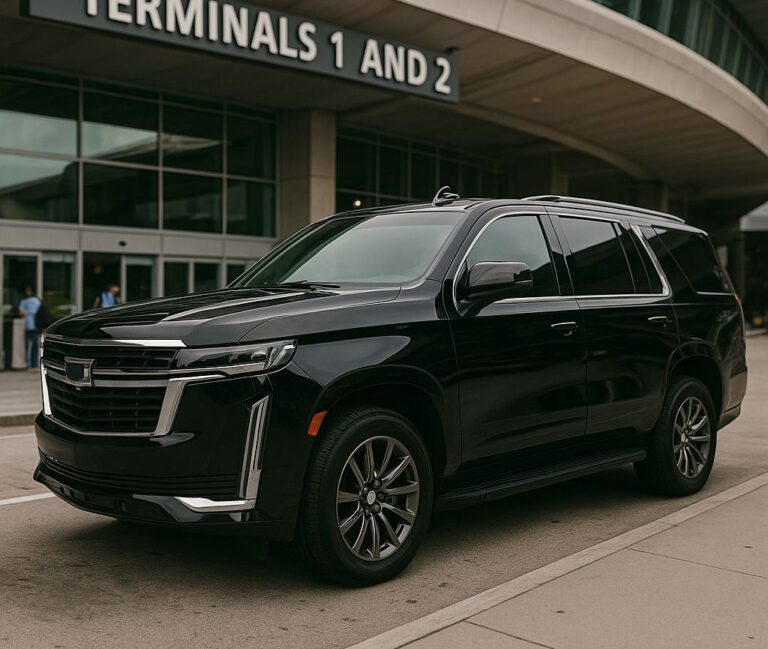
A private car service is a pre-arranged transportation service operated by a professional company that assigns a dedicated chauffeur and vehicle for a scheduled trip. Unlike on-demand ride apps, private car services are typically booked in advance, either online or through direct reservation.
For airport transportation, a private car service usually includes:
Scheduled pickup time based on flight departure or arrival
Flight tracking for delays or early landings
A professional chauffeur (not an independent contractor using a personal vehicle)
A specific vehicle category selected during booking
Flat or agreed-upon pricing without surge adjustments
Private car services prioritize punctuality and service consistency. Because reservations are confirmed ahead of time, the driver is assigned before the trip begins, reducing uncertainty at busy airports.
At most major airports, private car services can also provide:
Meet-and-greet options inside the terminal
Assistance with luggage
Corporate billing accounts
Larger vehicle options for families or groups
In the context of private car service vs rideshare at airport travel, the defining difference is structure. Private car services operate on a scheduled, service-oriented model rather than a driver-availability model.
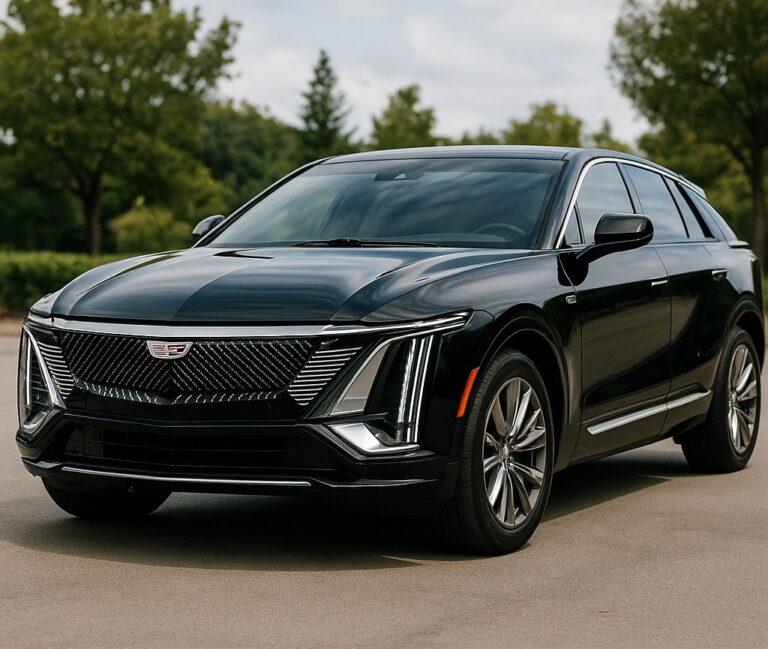
Rideshare at the airport refers to app-based transportation services that connect passengers with nearby drivers using a mobile platform. Companies like Uber and Lyft operate through independent drivers who use their personal or leased vehicles to accept ride requests in real time.
Unlike a private car service, rideshare transportation is typically on-demand. Passengers request a ride through an app, are matched with an available driver, and receive pricing based on distance, time, and current demand conditions.
For airport travel, rideshare services usually involve:
App-based booking at the time of travel
Driver assignment after the request is placed
Dynamic pricing that may increase during high-demand periods
Designated pickup zones determined by airport regulations
Vehicle type selected by service tier (standard, premium, SUV, etc.)
At busy airports, rideshare pickups are often restricted to specific staging areas rather than direct curbside access. Availability may vary depending on the time of day, driver supply, and local demand.
In the comparison of private car service vs rideshare at airport transportation, rideshare platforms emphasize flexibility and immediate availability, but they rely heavily on driver supply and demand-based pricing models.
Airport pickup zones are often regulated by local airport authorities, which may require designated rideshare staging areas and commercial vehicle permits.
When evaluating private car service vs rideshare at airport transportation, the differences become clearer when comparing reliability, pricing structure, vehicle consistency, and service model. While both options can transport passengers to and from airports, their operational frameworks are fundamentally different.
Below is a structured comparison:
| Feature | Private Car Service | Rideshare |
|---|---|---|
| Booking Method | Pre-scheduled reservation | On-demand app request |
| Driver Assignment | Assigned in advance | Assigned after request |
| Pricing Model | Flat or agreed rate | Dynamic, demand-based pricing |
| Surge Pricing | No | Yes, during peak demand |
| Flight Monitoring | Typically included | Not standard |
| Pickup Location | Curbside or meet-and-greet (where permitted) | Designated rideshare zones |
| Vehicle Consistency | Selected vehicle category | Varies by driver availability |
| Chauffeur Training | Professional, company-vetted | Independent contractor standards |
| Corporate Billing | Often available | Limited or personal payment only |
Private car services operate on a reservation-based system. The driver is scheduled before the trip begins, reducing last-minute uncertainty. Rideshare services depend on driver availability at the time of request, which can fluctuate during early mornings, holidays, or high-traffic travel periods.
Private car services generally provide upfront pricing agreed at booking. Rideshare platforms use dynamic pricing algorithms that may increase fares during peak airport demand.
Private car services emphasize a structured experience, including vehicle cleanliness standards, chauffeur professionalism, and punctual scheduling. Rideshare experiences may vary depending on the individual driver and vehicle assigned.
In the comparison of private car service vs rideshare at airport travel, the decision often comes down to whether a traveler prioritizes cost flexibility or structured reliability.

When comparing private car service vs rideshare at airport transportation, the better choice often depends on the traveler’s specific needs. Different situations prioritize different factors such as cost, timing certainty, comfort, or group size.
For professionals traveling to meetings, conferences, or corporate events, punctuality and predictability are usually top priorities. A pre-scheduled private car service may provide greater timing certainty, consistent vehicle standards, and structured billing options. Rideshare services may still work effectively in low-demand periods, but availability can fluctuate during peak hours.
As one frequent business traveler explains:
“For early morning departures, I prefer knowing my ride is already scheduled instead of requesting one at the last minute. That extra certainty makes a difference when timing matters.”
Families often travel with multiple bags, strollers, or child seats. Private car services may allow travelers to select larger vehicles in advance and confirm space requirements before pickup. Rideshare vehicles vary depending on driver availability, and not all vehicles may accommodate additional luggage comfortably.
For short airport transfers during non-peak hours, rideshare options may offer lower upfront pricing. However, during high-demand periods, dynamic pricing may increase fares unexpectedly. Budget-focused travelers often weigh flexibility against price stability.
Travelers who prioritize vehicle condition, quiet cabin space, and a structured service experience may lean toward private car services. Rideshare premium tiers exist, but vehicle quality and overall service can vary by driver.
For larger groups traveling together, pre-arranged transportation can simplify coordination. Private car services typically allow vehicle category selection during booking, while rideshare options may require multiple vehicles depending on availability.
Ultimately, the choice between private car service and rideshare at the airport depends on which factors matter most for a specific trip — cost flexibility, scheduling certainty, vehicle type, or service consistency.
When evaluating private car service vs rideshare at airport transportation, the right choice depends on the traveler’s priorities. Rideshare platforms offer flexibility and app-based convenience, which may work well for short distances or low-demand travel periods. Private car services, on the other hand, emphasize structured scheduling, pricing stability, and a more controlled service experience.
For time-sensitive airport travel — especially early departures, business trips, or group transportation — pre-arranged service can provide greater predictability. For travelers who prioritize cost flexibility and on-demand access, rideshare may remain a practical option.
For travelers who prefer structured scheduling and professional service standards, reviewing a dedicated private airport car service before travel can help ensure smoother airport transportation planning.
A private car service is typically pre-scheduled and assigns a driver in advance, which can reduce uncertainty for time-sensitive airport travel. Rideshare services depend on real-time driver availability, which may fluctuate during peak hours. Reliability often depends on how critical punctuality is for the traveler.
Rideshare can appear less expensive during low-demand periods. However, dynamic pricing may increase fares during busy travel times. Private car services generally offer flat or agreed-upon rates, providing greater price predictability. The total cost difference depends on timing, demand, and distance.
Many private car services monitor flight arrivals and adjust pickup times accordingly. This can be useful for delayed or early landings. Rideshare services typically do not automatically track flights unless the trip is scheduled in advance and manually updated.
Business travelers often prioritize punctuality, professionalism, and structured billing. A private car service may offer more consistency in these areas. Rideshare services may still be suitable for flexible schedules or short-distance airport transfers.
Private car services usually maintain standardized fleet categories with professional maintenance policies. Rideshare vehicle condition may vary depending on the individual driver and service tier selected.
For early departures when timing is critical, some travelers prefer pre-arranged transportation to reduce last-minute uncertainty. Whether it is “worth it” depends on how much a traveler values scheduling certainty versus on-demand flexibility.